What Are the Odds of Hitting the Lottery Understanding Lottery Probability
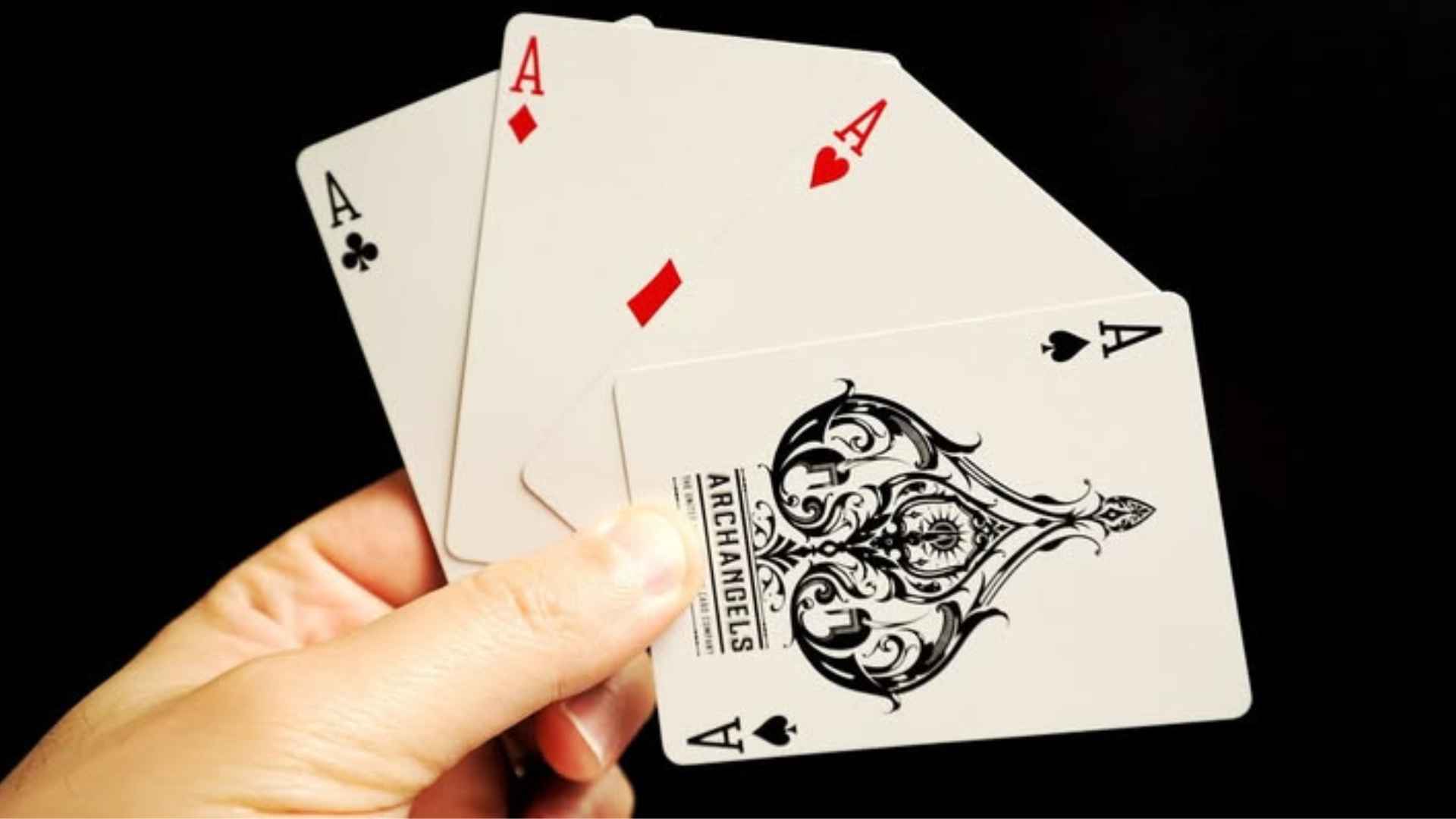
Lottery games captivate millions of hopeful players worldwide with the promise of life-changing jackpots, yet the underlying mathematics tells a story of extreme improbability. Calculating the likelihood of matching a winning set of numbers involves fundamental principles of combinatorics and probability theory. By examining how these figures are constructed, participants can gain a clear, realistic perspective on their actual chances of winning.
The Mathematical Foundations of Lottery Selection
In standard draw games, players choose a specific set of numbers from a predetermined pool, requiring every selected number to match the drawn result for the top prize. The number of possible unique combinations scales rapidly as the total number pool increases, creating astronomical odds against any single ticket. Mathematical formulas demonstrate that even minor additions to the number pool dramatically reduce a participant's chances of success.
Multi-state and major national lotteries often introduce extra mechanisms, such as bonus balls, which compound the difficulty even further. Because each draw is completely independent, past results have no influence on future outcomes, keeping the probability constant for every ticket purchased. Understanding this mathematical structure helps individuals evaluate entertainment choices objectively alongside other options like m88 when considering personal leisure activities.
Visualizing Extreme Mathematical Improbability
Human intuition generally struggles to comprehend probabilities that run into the hundreds of millions to one. To put these figures into context, experts frequently compare lottery odds to rare natural events, such as being struck by lightning or finding a specific grain of sand on a vast beach. These comparisons highlight just how unlikely it is for an individual line of numbers to align perfectly with the random draw.
Buying additional tickets does technically improve an individual's overall chances, but the practical shift in probability remains negligible. For instance, purchasing ten entries in a contest with odds of one in three hundred million barely alters the statistical reality of the wager. Recognizing this scale encourages players to treat participation as a minor form of recreation rather than a viable financial investment.
Smaller Prizes and Overall Winning Probability
While winning the ultimate jackpot remains statistically remote, most lottery formats offer tiered prize structures for partial matches. Matching fewer numbers yields significantly better odds, providing smaller cash returns or secondary rewards to a larger segment of participants. Analyzing the overall odds of winning any prize tier offers a more complete picture of what players can expect from a ticket.
Even with lower-tier prizes, the total expected value of a ticket typically remains well below its actual retail purchase price. Lottery organizations structure payout percentages so that a substantial portion of revenue supports administrative costs, public projects, or state funds. This structural design ensures that the game favors the operator over the long run, consistent with general gaming principles.
Adopting a Balanced Perspective on Playing
Approaching lottery games with a clear understanding of odds fosters healthier financial habits and realistic expectations. Viewing the purchase price strictly as the cost of brief entertainment prevents overspending and reduces financial risk. Maintaining a strict budget ensures that participation remains fun and completely stress-free over time.
Ultimately, probability theory clarifies that relying on random draws for financial advancement is statistically unsound. Educational insights into probability empower consumers to make informed choices across all forms of gaming and lotteries. Responsible participation relies on treating these games purely as light recreation rather than an effective path to wealth.