Probability Games and Everyday Mathematics
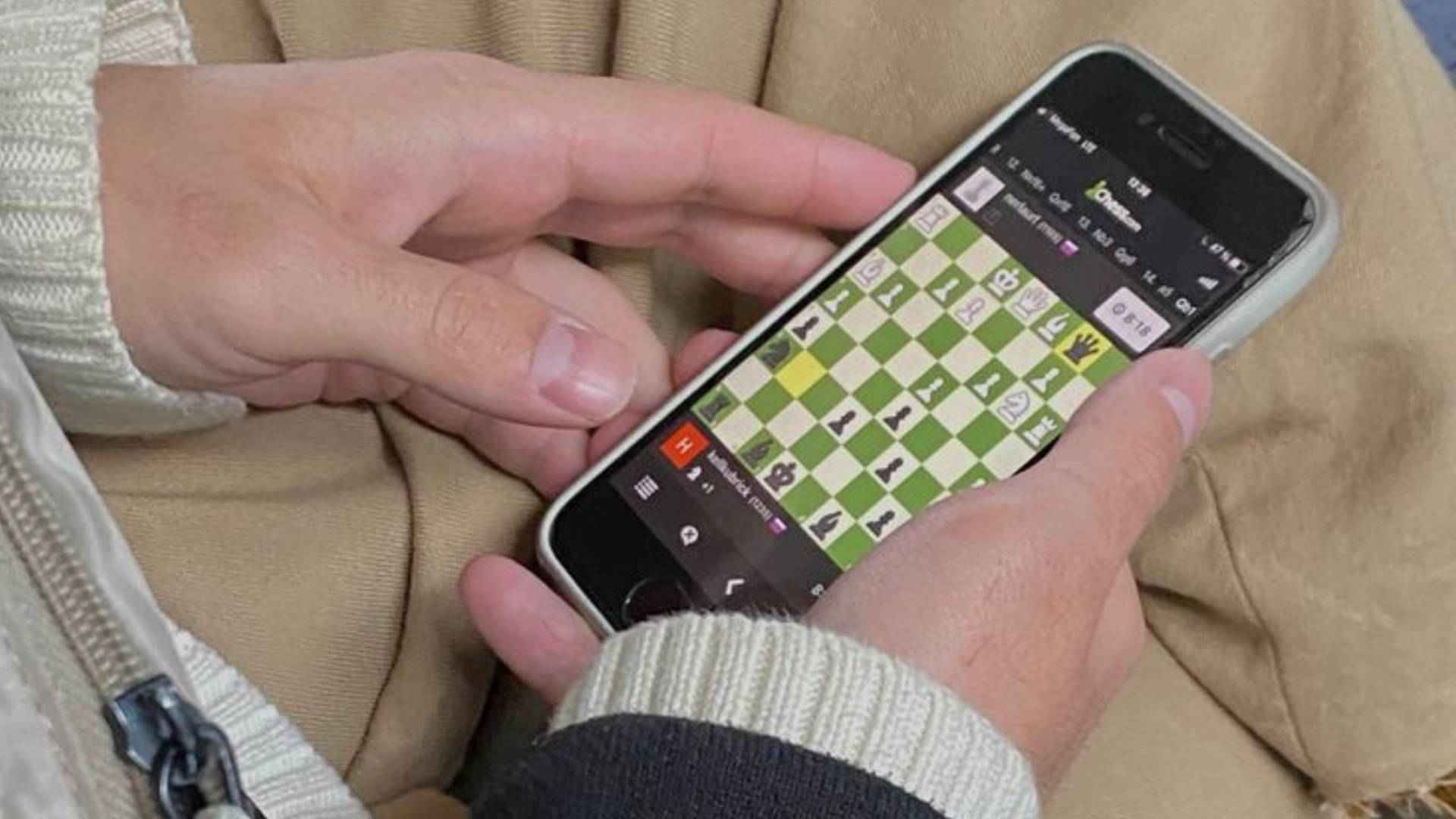
Many people view mathematics as an abstract subject confined entirely to textbooks and school classrooms. However, engaging mathematical activities and simple games of chance demonstrate how closely numerical concepts tie into our daily lives. By exploring these interactive challenges, players can intuitively grasp how statistical distribution influences routine choices.
The Connection Between Play and Practical Logic
Probability games serve as a bridge between theoretical mathematics and the real-world decisions we make every day. When individuals roll dice or flip coins, they are actively participating in mathematical experiments that model uncertainty. Recognizing these systemic patterns helps people navigate real-world situations involving risk assessment and unexpected variations.
Understanding basic outcomes allows individuals to improve their analytical mindset in practical scenarios like financial planning or long-term forecasting. Experiencing these principles through structured entertainment makes abstract mathematical models far more tangible and memorable. This experiential learning shift alters how we perceive the constant fluctuations of everyday events.
Developing Strategic Thinking Skills
Participating regularly in probability-driven challenges naturally refines an individual's strategic thinking and problem-solving capabilities. Players quickly learn that relying strictly on emotional intuition often leads to less ideal outcomes compared to analytical calculation. This realization forces a shift toward measuring empirical likelihoods before committing to a specific strategy.
Many digital platforms employ these exact systems to create balanced environments where enthusiasts can practice their strategic approaches safely. For those looking to see these mathematical distributions in digital formats, checking out options like M88 toto provides an interesting look into modern random numbers. Studying these systems helps clarify the fine line separating deliberate planning from random chance.
Overcoming Misconceptions About Randomness
A common hurdle for many people is overcoming the cognitive bias known as the gambler's fallacy, which assumes past events influence future random outcomes. Probability games provide immediate, visual feedback that debunks these persistent logical misunderstandings. By witnessing how independent events actually operate, players develop a much more realistic perspective on luck.
This refined understanding is highly beneficial when applied to significant life decisions such as insurance policies or investment distributions. Recognizing that independent variables do not hold memories protects individuals from making choices based on false expectations. Consequently, mathematical literacy serves as a practical tool for daily stability.
Enhancing Educational Engagement
Incorporating interactive games into academic curricula significantly boosts student engagement and alters negative perceptions of mathematical studies. Students are traditionally less enthusiastic about memorizing dry formulas compared to discovering patterns through dynamic gameplay. This hands-on approach promotes collaborative discussions and allows learners to build logical arguments together.
Ultimately, the union of play and statistical calculation provides a reliable roadmap for cultivating vital analytical skills. By recognizing the presence of numerical odds in casual pastimes, we become better equipped to manage the inherent uncertainties of our daily routines.